Cathedral of St. John the Baptist in Comrat
Created in collaboration with the Gagauzia Tourist Information Center. The Cathedral of St. John the Baptist is Comrat's calling card. Spiritual life held an important place for the settlers from across the Danube who settled in…
VIAR ID: tklur6
Virtual tour
About this place
Created in collaboration with the Gagauzia Tourist Information Center.
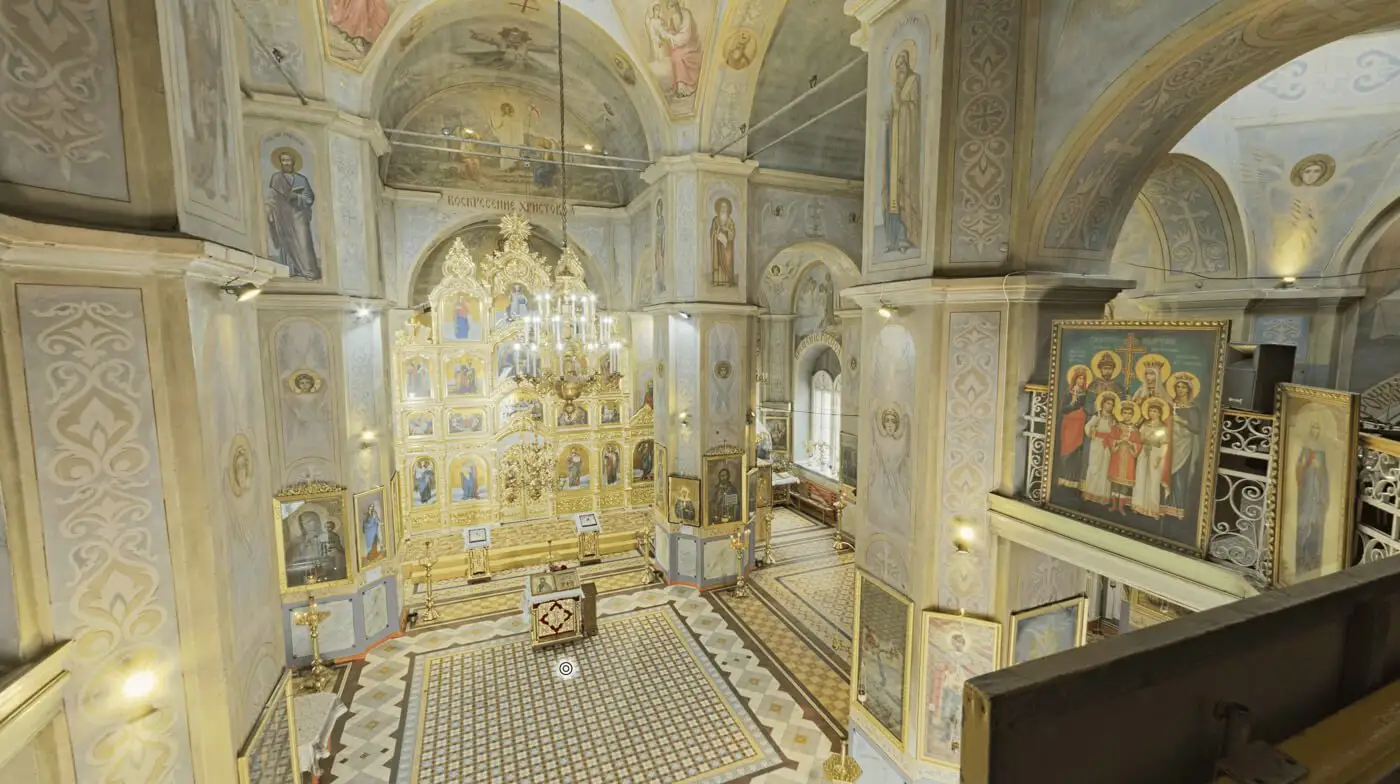
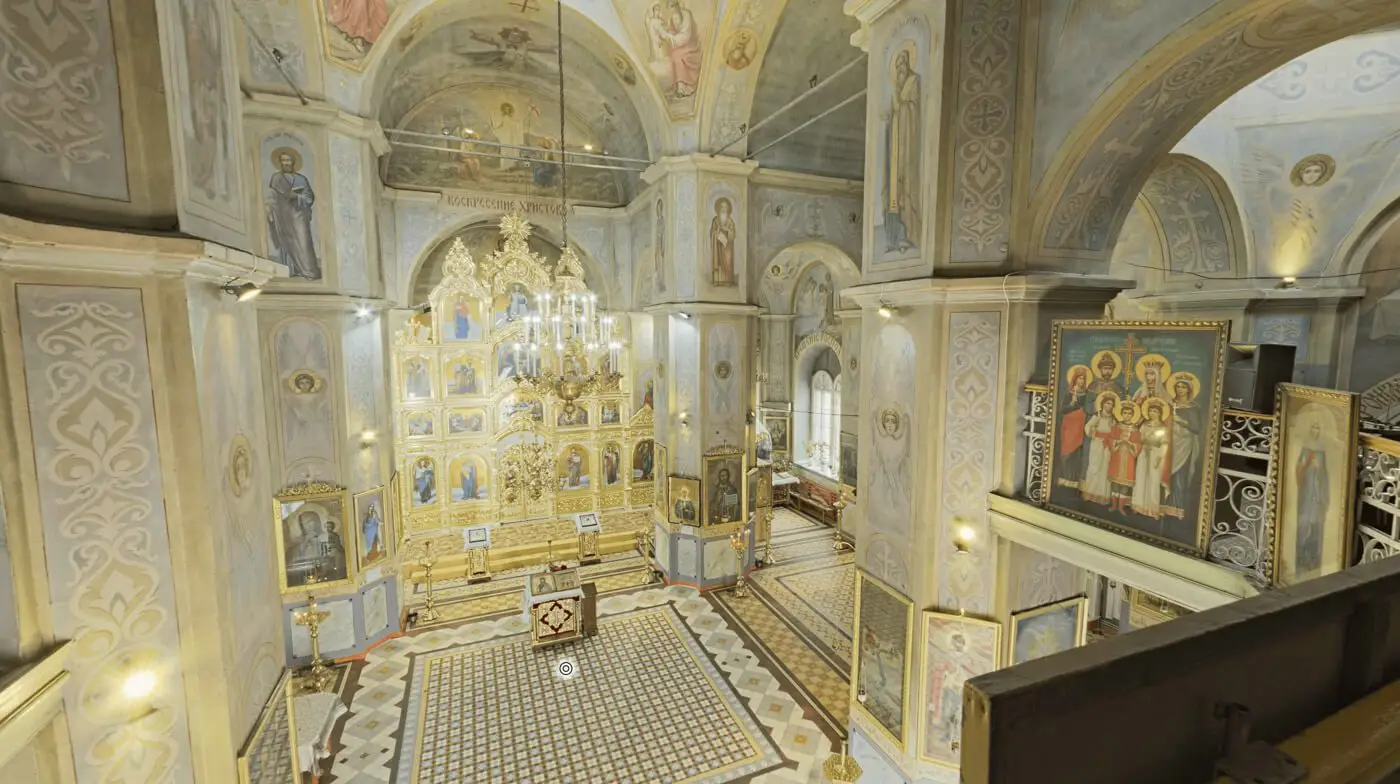
The Cathedral of St. John the Baptist – Comrat's calling card. Spiritual life held an important place for the settlers from across the Danube who settled in the Budjak steppes of Bessarabia from the end of the 18th century, and especially from 1812, when the region became part of the Russian Empire. It is known that one of the reasons for the resettlement was religious oppression, and the desire of the Bulgarians and Gagauz to preserve their Orthodox faith. For all the difficulties of settling in a new place, the settlers paid special attention first and foremost to building their churches.
In the years that followed, the church played a defining role in their spiritual, everyday, cultural and social life. The population of Comrat grew rapidly. A single simple wooden church was no longer enough. Given that Comrat was one of the most developed and largest of all the Gagauz colonies of the time, in the late forties the question of building a large stone church was raised. In 1856 the cathedral was built in the very centre of the settlement. The altar was consecrated in honour of the holy and glorious Prophet and Forerunner of the Lord, John. The church was built in the old Byzantine style. It was built with five domes, and the crosses are gilded. The main entrance to the churchyard is through the holy gate, above which a 20-metre bell tower was built.
St. John's Cathedral was built with money donated by the villagers of Comrat and functioned as a centre of religious worship until 1961, when it was closed by decision of the communist authorities. On 29 June 1961 the newspaper «Sovetskaya Moldavia» published an open letter from the former priest of the Comrat cathedral, Kirill Grishchenko, to Archbishop Nectarius of Chisinau and Moldavia, about his leaving the Orthodox Church and renouncing his priesthood. On the initiative of the townspeople, in 1969 the cathedral was taken under state protection as a 19th-century architectural monument, and for about 20 years it housed the Comrat Museum of History and Local Lore. In 1986, during a strong earthquake, two busts of Lenin fell and smashed in the museum housed in the church building. This was the first sign that it was time to return the church to the Orthodox faithful. The state's attitude towards the church changed for the better. The museum was moved to a new building, and the cathedral once again became the spiritual centre of Comrat. Today it is one of the finest church buildings in the whole Gagauz Autonomy; the cathedral is a valuable monument of the twilight of Classicism and the revival of the compositional techniques and architectural forms of Old Russian architecture.
Updated: